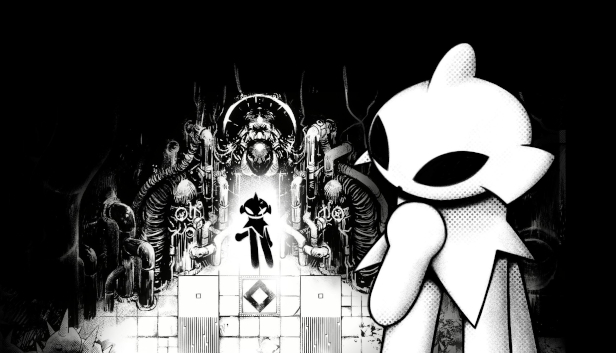





Helix: Descent N Ascent is a puzzle adventure game set in a desolate world. Players navigate through decay and fragments, unlocking abilities as they solve mysteries.
Demute handled the audio direction and sound design from the start, with a focus on the absence and emptiness, matching visuals that startle players, and using sound to carry the narrative weight.



The defining feature of Helix is what it lacks: life, colour, noise. For lead sound designer Anthony Deneyer, the core challenge was making that absence felt. “I wanted for players to experience solitude, the remains of ancient civilizations, nature still present but barely.” He began with the sense of space itself, with reverb and ambiances as the foundation.
Footsteps are a good example: “The more you hear them, the more you realize you’re alone.” For the environment, instead of soundscapes rich with fauna, wind took the lead, gusts reacting to the inert, pipes creaking as they further decay. These elements became the main companions to isolation.
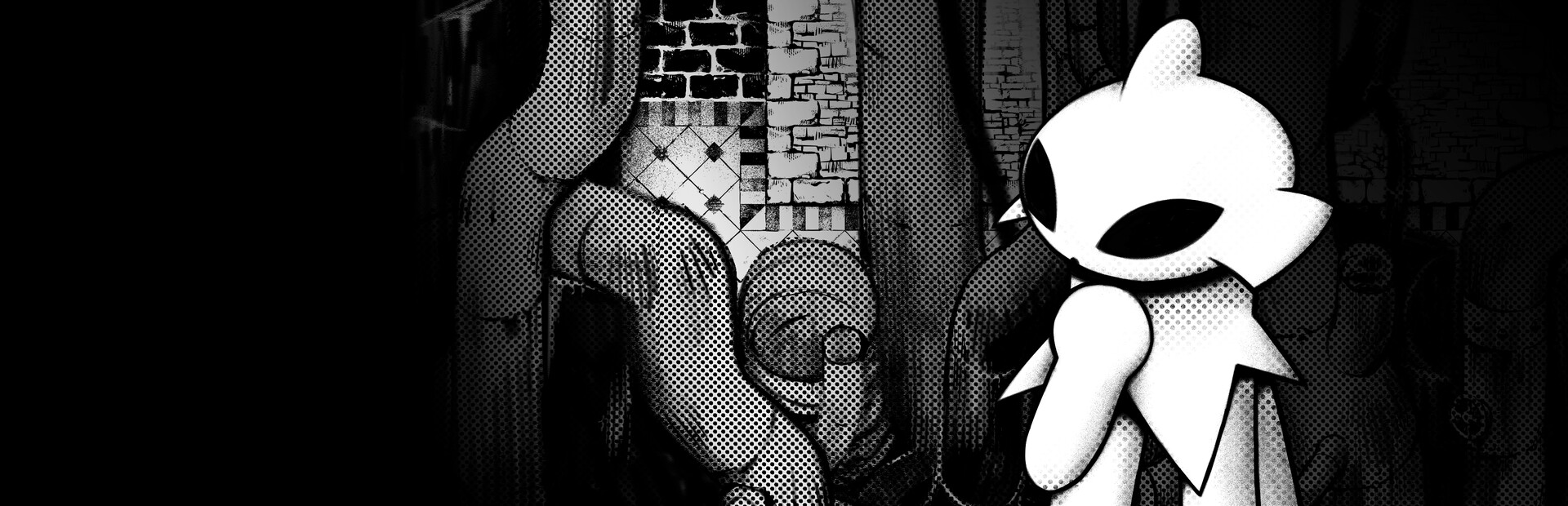
Cedric De Muelenaere’s visuals are a striking feature of the game, one that’s been celebrated since its release. To match that, audio became a sandbox for experimentation. In the end, we settled upon a mix of textures that’s not common: “The sound design uses a very organic base mixed with sci-fi and mechanical elements. I even used textures that would be more appropriate for gory stuff, just to make it even more organic.”
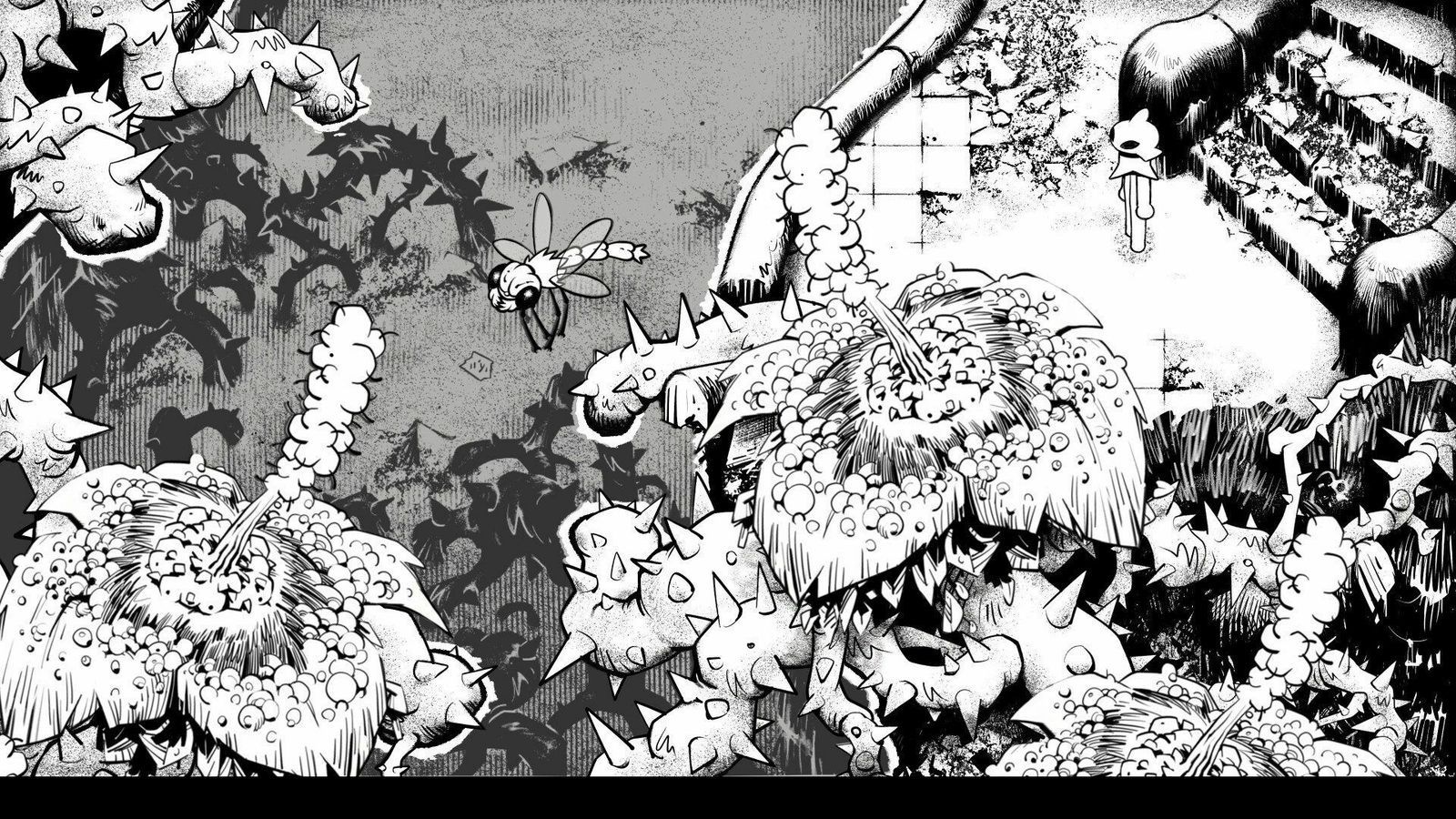
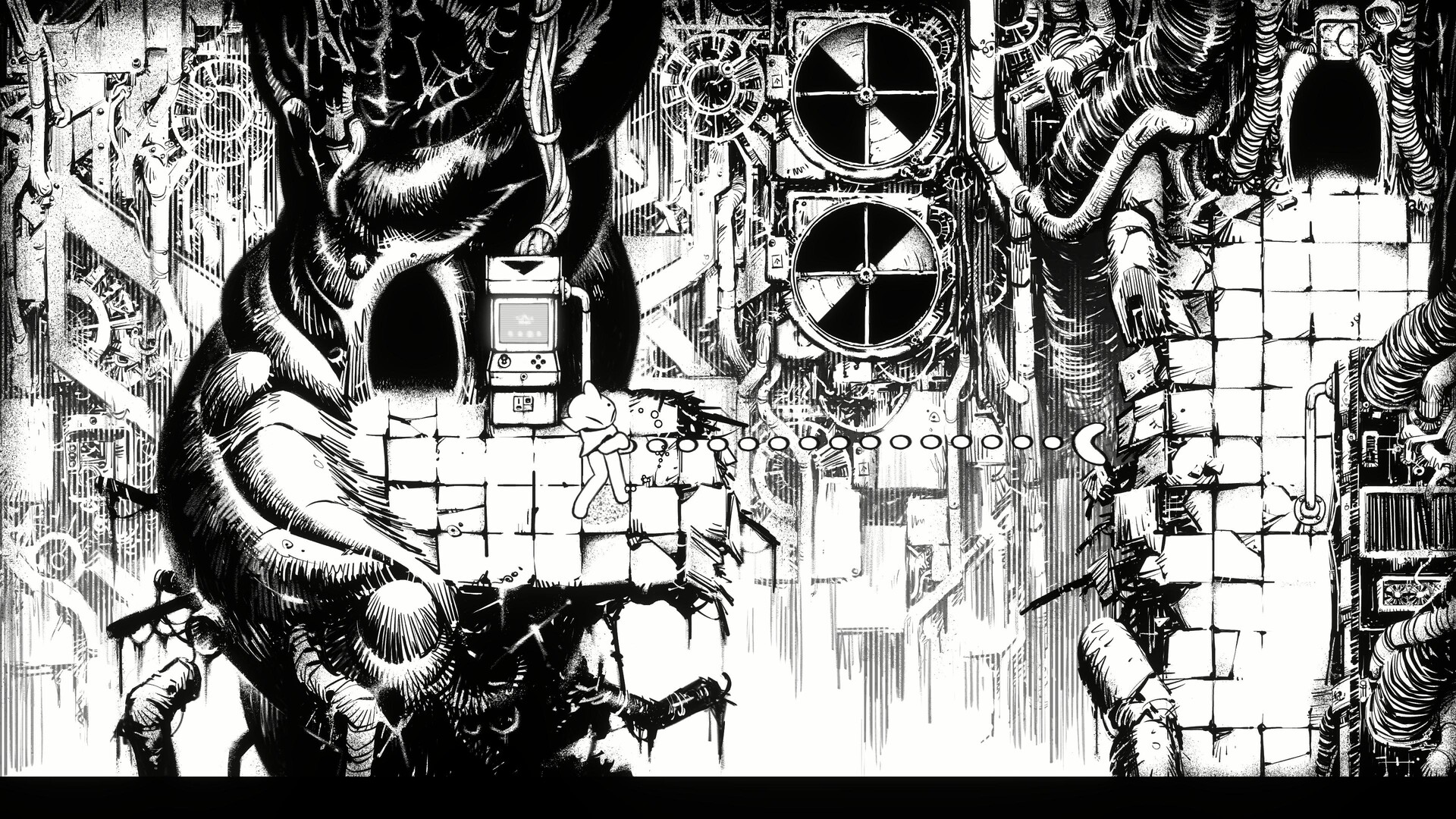
Just like its concept, Helix is a wordless mystery for the player to explore. It doesn’t say much about its intentions, it’s up to players to decipher. With sounds, that poses other challenges: without dialogue, sound design becomes one of the pillars of storytelling. This is particularly noticeable in the way cutscenes were approached, in which sound design acts as the layer of understanding, alongside Jim Guthrie’s score. The music he composed for the game carries particularly well the emotional weight of Helix.
How do you give sound to silence? Helix doesn’t answer, it lingers in the question, with sound and absence in dialogue. Anthony and the developers, Cedric de Mulenaere and Gilliam Sampont, created something that doesn’t explain itself, in tune with one another and the world they take place in.



© 2026 Demute®. All rights reserved.
All game titles, logos and trademarks are the property of their respective owners.